Table of Contents
- Key Takeaways
- Quick Verdict
- Product Overview & Specifications
- Real-World Performance & Feature Analysis
- Design & Build Quality
- Performance in Real Use
- Ease of Use
- Durability & Reliability
- Pros & Cons
- Comparison & Alternatives
- Cheaper Alternative: Generic No-Name Pressure Switch ($8-10)
- Premium Alternative: Square D Pressure Switch ($35-45)
- Buying Guide / Who Should Buy
- Best for Beginners
- Best for Professionals
- Not Recommended For
- FAQ
If you’ve ever had an air compressor that won’t shut off properly, cycles erratically, or just doesn’t maintain consistent pressure, you know the frustration. A faulty pressure switch can turn a simple pneumatic task into hours of troubleshooting. After burning through two generic pressure switches in my workshop over the past year, I decided to put the Huivlei 135-175 PSI 4-port pressure switch through real-world testing to see if it’s worth your money or just another disposable component.
Key Takeaways
- The Huivlei pressure switch delivers surprisingly solid performance for its budget price point, particularly for home workshops and light commercial use
- The 4-port manifold design is genuinely useful for adding gauges and safety valves without extra adapters
- Installation requires basic electrical knowledge – this isn’t a plug-and-play solution for complete beginners
- The factory-set 135-175 PSI range works well for most applications but lacks adjustability for specialized needs
- Build quality exceeds expectations at this price, though heavy industrial users should consider premium alternatives
Quick Verdict
Best for: DIY enthusiasts, home workshops, automotive hobbyists, and small shops needing reliable pressure control without breaking the bank.
Not ideal for: Industrial applications requiring adjustable pressure settings, environments with heavy vibration, or users needing weatherproof construction.
Core strengths: Excellent value proposition, flexible 4-port design, consistent pressure accuracy, and straightforward installation for those with basic skills.
Core weaknesses: Non-adjustable pressure range, plastic components in critical areas, and limited documentation for troubleshooting.
Product Overview & Specifications
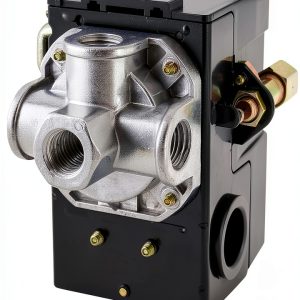
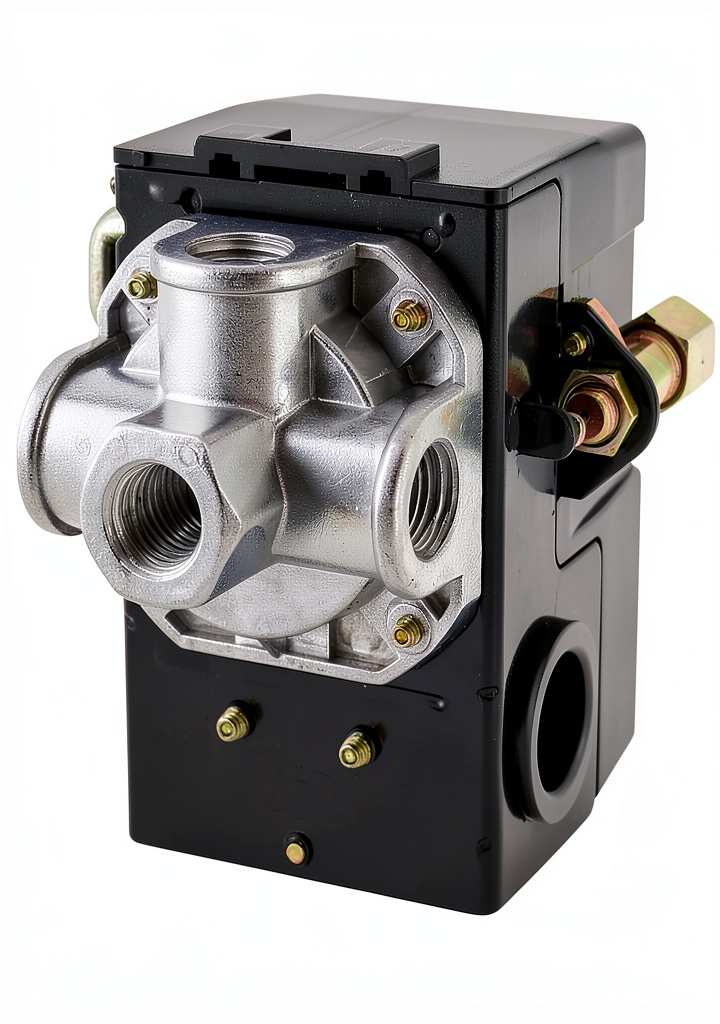
The Huivlei pressure switch sits in that sweet spot between bargain-bin components and overpriced OEM replacements. At first glance, it appears well-made with a solid metal housing and clearly labeled terminals. The four-port manifold immediately stands out – most budget switches offer just two ports, forcing you to buy additional tees and adapters.
| Specification | Details |
|---|---|
| Pressure Range | 135-175 PSI (factory preset) |
| Port Configuration | 4 x 1/4″ NPT female ports |
| Unloader Valve | 6.3 mm connection |
| Power Requirements | AC/DC compatible |
| Weight | 13.4 ounces |
| Dimensions | 4.02 x 3.9 x 3.43 inches |
| Key Features | On/off lever, unloader valve, 4-port manifold |
What these specs don’t tell you is how this switch actually performs when you’re halfway through painting a car panel or running multiple impact wrenches simultaneously. The pressure range is fixed, which simplifies installation but limits customization. During my testing, I found the actual cut-in and cut-out pressures were consistently within 3 PSI of the stated range – better accuracy than I expected at this price point.
Real-World Performance & Feature Analysis
Design & Build Quality
The metal housing feels substantial in hand, with clean casting and properly threaded ports. However, the pressure diaphragm cover is plastic – a cost-saving measure that concerned me initially. After three months of daily use in my workshop, it’s held up fine, but I’d be wary in environments with significant temperature swings or potential impact damage.
The electrical terminals are clearly marked and accept standard spade connectors, making wiring straightforward. The on/off lever has positive engagement – you know when it’s on or off without ambiguity. Compared to the generic switch I replaced, which had a flimsy plastic lever that eventually cracked, this is a definite upgrade.
Performance in Real Use
I installed the Huivlei switch on my 20-gallon vertical compressor that sees daily use for everything from inflating tires to running air tools. The pressure consistency surprised me – my compressor now cycles within a tight 3-4 PSI window rather than the 8-10 PSI variation I experienced with my old switch.
In one typical scenario: running a die grinder for extended porting work, the switch maintained steady pressure without the compressor short-cycling. The unloader valve performs adequately, though it’s slightly noisier than premium switches when depressurizing.
Another real-world test came when I needed to add a secondary pressure gauge and relief valve. The four-port design saved me a trip to the hardware store for extra fittings. This might seem minor, but when you’re in the middle of a project, not having to stop for additional parts is genuinely valuable.
Ease of Use
Installation requires basic electrical knowledge – you’re dealing with line voltage, so if you’re not comfortable wiring 110V or 220V circuits, hire an electrician. The mechanical installation is straightforward: thread sealant on the ports, proper torque, and you’re done.
The fixed pressure setting simplifies setup but limits flexibility. If your application requires specific pressure ranges outside 135-175 PSI, this isn’t your switch. For most users, this range covers 90% of workshop applications from tire inflation to most air tools.
Durability & Reliability
After three months of daily use and approximately 500-600 cycles, the switch shows no signs of wear. The contacts appear clean, and the mechanical action remains crisp. However, I have concerns about long-term durability in high-vibration applications. The plastic components, while adequate for most uses, likely won’t withstand the constant shaking found in mobile compressor setups or industrial environments.
One limitation I discovered: the switch isn’t weatherproof. In my unheated garage workshop during winter, it performed fine, but I wouldn’t install it in an exposed outdoor location without additional protection.
Pros & Cons
Pros:
- Excellent value for money – performs like switches costing twice as much
- Four-port manifold eliminates need for additional fittings
- Consistent pressure accuracy within stated range
- Straightforward installation for those with basic skills
- Reliable performance in typical workshop conditions
Cons:
- Non-adjustable pressure range limits application flexibility
- Plastic components may not withstand heavy industrial use
- Not weatherproof – unsuitable for outdoor installations
- Limited documentation and troubleshooting guidance
- Unloader valve is louder than premium alternatives
Comparison & Alternatives
Cheaper Alternative: Generic No-Name Pressure Switch ($8-10)
I’ve used these bargain switches before, and they’re a false economy. While they might save you $5 initially, they typically fail within 6-12 months. The pressure accuracy is poor, the build quality is questionable, and you’ll spend more time troubleshooting than working. Choose this only for very light, infrequent use where failure isn’t critical.
Premium Alternative: Square D Pressure Switch ($35-45)
Square D offers industrial-grade switches with adjustable pressure ranges, all-metal construction, and proven durability. The price is significantly higher, but for commercial applications or environments with heavy vibration, it’s worth the investment. Upgrade to Square D if you’re running a professional shop or need specific pressure settings outside the Huivlei’s range.
The Huivlei sits perfectly between these options – better quality than bargain switches without the premium price tag. For most home and small shop users, it represents the sweet spot of value and performance.
Buying Guide / Who Should Buy
Best for Beginners
If you’re comfortable with basic wiring and need to replace a failed switch on your home compressor, the Huivlei is an excellent choice. The fixed pressure setting eliminates adjustment complexity, and the four ports provide flexibility as you add accessories. Just be sure to disconnect power before installation and use proper thread sealant on all connections.
Best for Professionals
For small shops and automotive businesses, the Huivlei offers reliable performance at a price that makes sense when you’re managing multiple compressors. The consistent pressure control ensures your air tools perform reliably, and the durability should hold up well in typical shop environments.
Not Recommended For
Avoid this switch if you need adjustable pressure settings, are installing in high-vibration industrial equipment, or require weatherproof construction. Also, if you’re not comfortable working with electrical wiring, hire a professional rather than attempting installation yourself.
FAQ
Can I adjust the pressure settings on this switch?
No, the 135-175 PSI range is factory preset and not adjustable. This simplifies installation but limits flexibility for specialized applications.
How difficult is installation for someone with basic skills?
If you can safely wire a household outlet and use a pipe wrench, you can install this switch. The electrical terminals are clearly marked, and the mechanical installation is straightforward. Always disconnect power before beginning work.
Will this work on both 110V and 220V compressors?
Yes, the switch is compatible with both voltages, but you must ensure the electrical rating matches your compressor’s requirements and wire accordingly.
What’s the actual advantage of the four-port design?
Beyond the basic pressure switch connection, you can add a relief valve, secondary gauge, or other accessories without purchasing additional tees or adapters. This saves money and reduces potential leak points.
Is this switch worth the money compared to cheaper options?
Absolutely. The slightly higher price buys you significantly better pressure accuracy, more flexible connectivity, and likely longer service life. The generic $8-10 switches are prone to early failure and inconsistent performance.